Travel Tips

Getting Around Korea: The Complete Transportation Guide

December 13, 20259 min read

Korea boasts one of the world's most efficient and affordable transportation systems. Whether you're navigating Seoul's extensive subway network or taking the high-speed KTX across the country, getting around is remarkably easy—once you know the basics. This guide covers everything you need to travel Korea like a pro.

The T-money Card: Your Essential Travel Companion

The T-money card is a rechargeable smart card that works on virtually all public transportation in Korea—subways, buses, and even taxis. Purchase one at any convenience store (GS25, CU, 7-Eleven) or subway station for around 4,000 won. Recharge your card at convenience stores or subway station kiosks. Most subway kiosks have English options. A single ride typically costs 1,250-1,350 won, with discounts for transfers within 30 minutes. The card also works for small purchases at convenience stores, vending machines, and some taxis. When you leave Korea, you can get a refund of your remaining balance (minus a small fee) at convenience stores. Alternatively, smartphone users can add a virtual T-money card to Samsung Pay or use the Kakao T app. Apple Pay users can use the official Korea Tour Card mobile function.

Seoul Subway: The Backbone of the City

Seoul's subway system is extensive, clean, and incredibly user-friendly. With 23 lines serving over 700 stations, you can reach almost anywhere in the metropolitan area. Trains run from approximately 5:30 AM to midnight. Navigating is easy: stations are numbered (e.g., Line 2, Station 216), and announcements are made in Korean, English, Chinese, and Japanese. Platform screen doors display train arrival times and destinations. Download the Kakao Metro or Naver Map app for real-time navigation in English. These apps show the fastest routes, transfer information, and even which exit to use at your destination. During rush hours (8-9 AM, 6-7 PM), trains are extremely crowded. Consider traveling slightly earlier or later, or use subway cars designated for the elderly/pregnant (often less crowded, but give up your seat if needed).

Intercity Travel: KTX and Express Buses
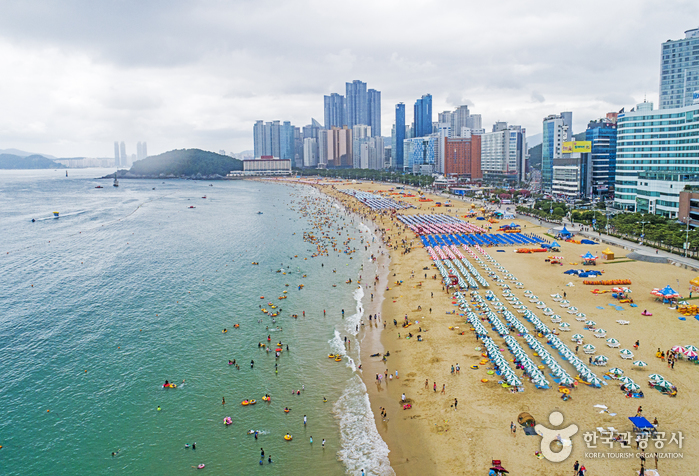
The KTX (Korea Train Express) is Korea's high-speed rail service, connecting Seoul to major cities at speeds up to 305 km/h. Seoul to Busan takes just 2.5 hours. Book tickets on the Korail website or app—English is available. Busan, Daegu, Gwangju, and other major cities are easily accessible by KTX. Trains run frequently, and the experience is comfortable with spacious seats and onboard Wi-Fi. For the best prices, book early or travel during off-peak hours. Express buses are an excellent budget alternative. The Express Bus Terminal in Seoul (Gangnam) connects to virtually every city in Korea. Buses are comfortable, often with USB charging and WiFi. Purchase tickets at terminals or through the Kobus app. For destinations not served by KTX, Mugunghwa trains offer a slower but scenic alternative at lower prices. Great for enjoying Korea's countryside.

Taxis, Rentals, and Alternative Options

Taxis in Korea are safe, clean, and relatively affordable. Orange/silver taxis are standard; black 'mobeom' taxis are premium with slightly higher fares. Most taxis accept T-money cards. Use the Kakao T app to call taxis with English translation features. Renting a car is straightforward if you have an International Driving Permit. Major agencies like Lotte Rent-a-Car and SK Rent-a-Car have English service. However, driving in Seoul is challenging—traffic is heavy, parking expensive, and the subway is usually faster. For countryside exploration, consider renting for day trips from smaller cities. Jeju Island is particularly car-friendly with simpler roads and beautiful coastal drives. Korea also has an excellent network of intercity buses for reaching national parks and rural destinations. These buses are cheap and frequent, though schedules may require flexibility.

Final Thoughts

Korea's transportation system is a marvel of efficiency. With a T-money card in your pocket and a navigation app on your phone, you can travel anywhere in the country with ease. Don't be intimidated by the complexity—the systems are designed for user-friendliness, and staff are generally helpful even with limited English. Embrace public transportation, and you'll discover that getting there is often part of the adventure.

Ready to explore more of Korea?

View all travel guides