Culture
Traditional Korean Experiences Every Visitor Should Try
January 3, 20268 min read
Beyond the K-pop and technology, Korea maintains deep connections to its traditional culture. From centuries-old tea ceremonies to meditative temple stays, experiencing traditional Korea offers a profound counterbalance to the country's ultra-modern face. Here are the most meaningful traditional experiences available to visitors.
Temple Stays: Find Your Inner Peace
Temple stays offer overnight experiences at Buddhist temples throughout Korea. Programs typically include meditation, Buddhist ceremonies, tea with monks, and traditional temple meals. Prices range from 50,000-100,000 won including accommodation and meals.
Jogyesa Temple in central Seoul offers accessible introductory programs. For deeper immersion, consider temples in the mountains like Haeinsa (home to the UNESCO-listed Tripitaka Koreana) or Tongdosa.
Book through Templestay.com, the official government-supported platform. Programs range from one-night stays to week-long retreats. Most offer English guidance, though immersion experiences may be primarily in Korean.
Prepare for early mornings (3-4 AM wake-up for ceremonies), simple vegetarian meals, and digital detox. It's challenging but transformative—many visitors call it their most memorable Korea experience.
Hanbok: Wear Korean Traditional Clothing
Wearing hanbok (traditional Korean clothing) is more than a photo opportunity—it's a cultural immersion. Many Koreans wear hanbok for special occasions, and visitors are welcome to join this tradition.
Rental shops cluster near major palaces. Prices range from 10,000-30,000 won for 2-4 hours. Premium shops offer higher-quality garments with accessories, hair styling, and photography services.
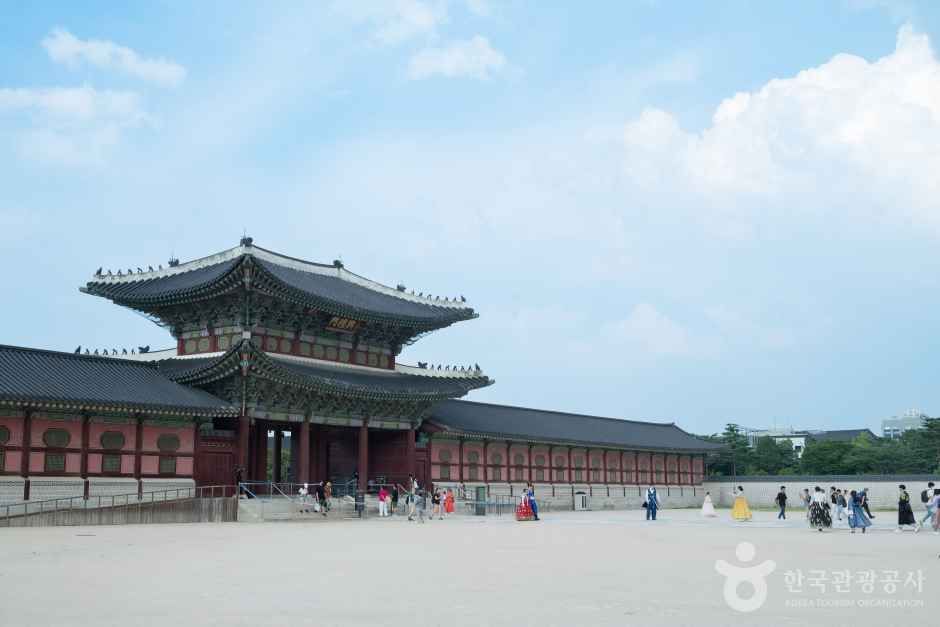
Wearing hanbok grants free entry to major palaces (Gyeongbokgung, Changdeokgung, etc.). Staff won't check if it's rented—the cultural participation is what matters.
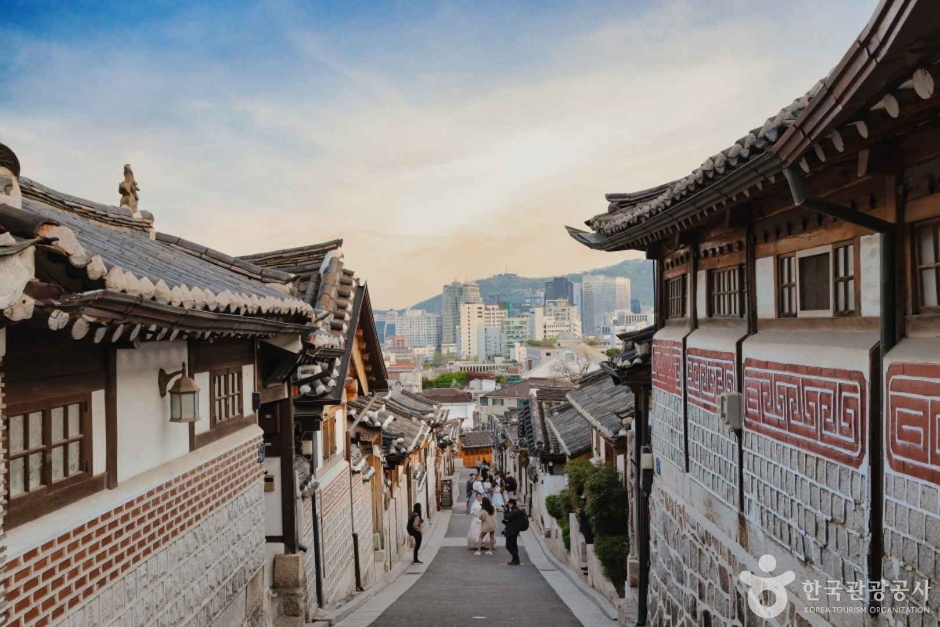
For the full experience, consider a hanbok photoshoot at a traditional hanok village. Professional photographers in Bukchon or Jeonju Hanok Village capture stunning images with historic backdrops.
![Jeonju Hanok Village [Slow City] (전북 전주 한옥마을 [슬로시티])](https://tong.visitkorea.or.kr/cms/resource/50/3479250_image2_1.jpg)
Traditional Crafts and Arts
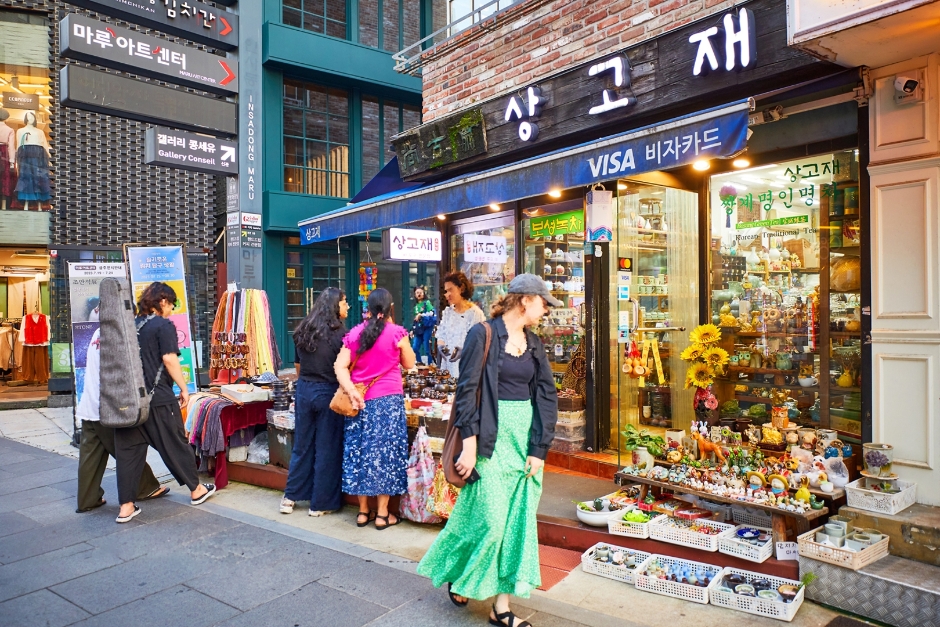
Insadong's cultural centers offer hands-on craft experiences. Make your own hanji (traditional paper) crafts, try pottery, or learn Korean calligraphy. Sessions last 1-2 hours and cost 20,000-40,000 won.
Korean tea ceremonies at traditional teahouses offer meditation through tea. Places like Suyeon Sanbang in Seoul guide you through the ritual of preparing and drinking tea in a tranquil setting.
Make your own Korean pottery at ceramics studios in Icheon, the traditional ceramics center. Workshops range from simple one-hour experiences to multi-day intensive courses.
Korean cooking classes teach you to make kimchi, bulgogi, or other classics. O'ngo Food Communications and other companies offer English-language classes that include market tours.
Traditional Performances and Martial Arts
See traditional Korean performances at Korea House or the National Theater. Pansori (Korean opera), samulnori (percussion), and traditional dance performances happen regularly. Shows include explanations in English.
Nanta, while modern, incorporates traditional rhythms into its non-verbal percussion show. It's the longest-running show in Korean theater history and perfect for all ages.
Taekwondo experience programs let you try Korea's national martial art. Short sessions teach basic moves and let you break boards. Kukkiwon (World Taekwondo Headquarters) offers programs for visitors.
Jeonju, a 2-hour train ride from Seoul, is the best destination for traditional culture immersion. The massive hanok village, traditional paper-making, and bibimbap's birthplace make it worth a day trip or overnight stay.
Final Thoughts
Traditional Korean experiences offer depth that typical tourist activities can't match. Whether you're finding peace in temple meditation, photographing yourself in hanbok at an ancient palace, or learning to make kimchi with a local grandmother, these experiences create lasting connections to Korean culture. Make time for at least one—you'll understand Korea on a deeper level.
Ready to explore more of Korea?
View all travel guides