Itinerary

Sokcho & Gangneung: Korea's East Coast Getaway

November 11, 20259 min read

Korea's east coast offers a dramatic change from Seoul's urban sprawl. Gangneung and Sokcho, connected by coastal road and backed by the Taebaek Mountains, have become favorites for Koreans seeking weekend escapes. The area gained international attention after hosting events during the 2018 Winter Olympics, but its appeal goes far beyond sports venues.

Gangneung: Coffee City by the Sea

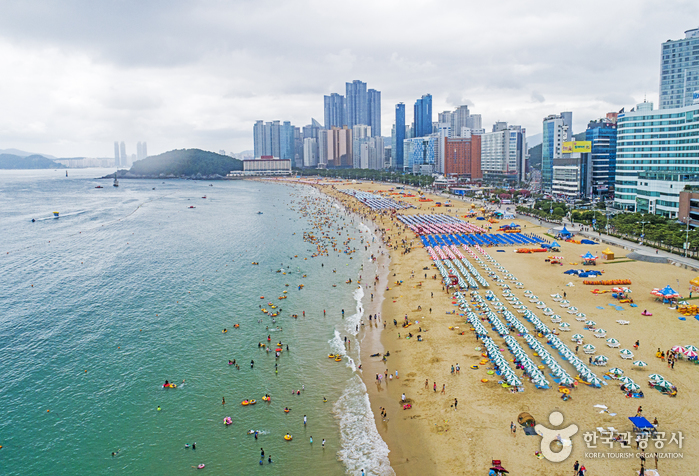
Gangneung has transformed into Korea's coffee capital. Anmok Beach (Coffee Street) is lined with dozens of roasteries and cafes, each with ocean views. The quality is serious—these aren't just tourist traps. Try Terarosa (Korea's pioneer specialty roaster), Bossanova, or any place that catches your eye. Gyeongpo Beach is the main beach, a wide stretch of sand backed by a lake. Summer brings crowds; off-season brings peace. The lake area has bike paths, and at night, Gyeongpo Pavilion offers traditional atmosphere. Ojukheon, the birthplace of Korean philosopher Yulgok and his mother Shin Saimdang (featured on the 5,000 and 50,000 won bills), is a well-preserved example of traditional Korean architecture. The surrounding bamboo grove is serene. Gangneung's Jungang Market is the real deal—local seafood, sundae (blood sausage), and market atmosphere without tourist markup. Find it near the old downtown area.

Sokcho: Gateway to Seoraksan

Sokcho sits at the base of Seoraksan, Korea's most famous national park. The mountain's rocky peaks and autumn foliage draw hikers year-round, but even non-hikers can enjoy shorter trails and the cable car to Gwongeumseong. The town itself has a working fishing port atmosphere. Sokcho Tourist Fish Market has live seafood on the first floor and restaurants above—pick your fish, take it upstairs, and have it prepared however you like. Abai Village, accessible by hand-pulled ferry across the harbor (free), is a neighborhood established by North Korean refugees during the Korean War. It's known for sundae squid (squid stuffed with glass noodles) and has a melancholy historical significance. Jungang Market in Sokcho features famous dak gangjeong (sweet crispy fried chicken)—the line at Manseok Dakgangjeong starts early on weekends.

Getting There and Getting Around

Express buses from Seoul's Dong Seoul Terminal reach Gangneung (2.5 hours) and Sokcho (2.5-3 hours) regularly. KTX trains now run to Gangneung (under 2 hours), making weekend trips much more feasible. Between Gangneung and Sokcho, city buses run along the coast road (about 1 hour). The route itself is scenic, passing beaches and small fishing villages. Within each city, local buses serve tourist areas but can be confusing. Taxis are affordable. If you're staying multiple days, a rental car opens up the smaller coastal towns and makes Seoraksan access easier. Accommodation ranges from seaside hotels to guesthouses to traditional minbak (Korean B&Bs). Summer (especially August) and autumn (October) are peak seasons—book ahead.

Beyond the Main Towns

Jeongdongjin, south of Gangneung, is famous for having Korea's first sunrise of the new year (reachable by land). The train station sits right on the beach—an unusual sight. A retired warship-turned-resort adds to the quirky atmosphere. Haslla Art World combines sculpture gardens with ocean views. It's particularly popular at sunset. The museum and outdoor installations are thoughtfully integrated into the clifftop setting. Yangyang, between Sokcho and Gangneung, has Naksan Temple (one of Korea's most famous seaside temples) and Surfyy Beach, where Korea's small but growing surf scene congregates. If you're interested in hiking Seoraksan properly, consider staying in Sokcho for 2-3 nights. The park has multiple trail sections that reward extended exploration.

Final Thoughts

The east coast feels like a different Korea. The pace slows, the air smells of sea and pine, and the mountains create a dramatic backdrop wherever you look. Gangneung and Sokcho complement each other—coffee culture and modern development in one, traditional markets and mountain access in the other. A weekend here recalibrates your sense of what Korea offers beyond its cities.

Ready to explore more of Korea?

View all travel guides