Culture

Korean Buddhist Temples: A Visitor's Guide

November 23, 20259 min read

Buddhism has shaped Korean culture for over 1,600 years. Temples dot the landscape from downtown Seoul to remote mountain valleys, each with its own character and atmosphere. Whether you're seeking spiritual experience, architectural beauty, or simply quiet respite from tourist crowds, Korean temples offer something unique.

Seoul Temples: Spirituality Amid the Urban

Jogyesa is Korean Buddhism's headquarters, located in downtown Seoul near Insadong. The temple is always active—monks chanting, locals praying, lanterns glowing. During Buddha's birthday (May), the lantern displays are spectacular. Bongeunsa, in the shadow of the COEX complex in Gangnam, provides striking contrast: ancient temple against modern skyscrapers. Their temple stay programs are popular with international visitors and offered in English. Gilsangsa in Seongbuk-dong was a former high-end restaurant donated to become a temple. The grounds are peaceful, with mountain views, and the café serves excellent traditional teas. It feels hidden despite being in Seoul. For temple food, Balwoo Gongyang near Jogyesa is a Michelin-starred temple cuisine restaurant. It's expensive but demonstrates how Korean Buddhist vegetarian cooking can be elevated to fine dining.

The Great Mountain Temples

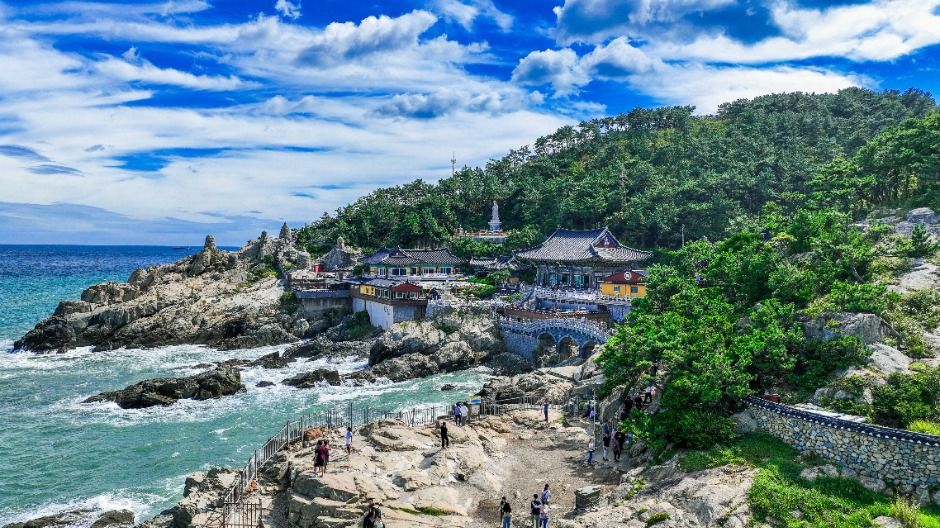
Haeinsa, in the Gayasan mountains, houses the Tripitaka Koreana—over 80,000 woodblocks containing Buddhist scriptures, UNESCO-listed and one of the world's most significant Buddhist archives. The temple itself is worth the journey; the woodblock repositories are architectural marvels designed to preserve the texts for centuries. Bulguksa and Seokguram in Gyeongju represent the peak of Silla-era Buddhist architecture. They're covered in the Gyeongju guide, but their significance in Korean Buddhist history is immense. Haedong Yonggungsa near Busan is built on the rocky coast—unusual for Korean temples, which typically occupy mountains. The ocean setting makes it one of the most photographed temples in Korea. Beomeosa, also near Busan, is a major temple complex in the mountains above the city. Less crowded than Haedong Yonggungsa, with excellent hiking trails and genuine monastic atmosphere.

Temple Etiquette

Dress modestly—shoulders and knees covered. Some temples provide cover-ups, but don't rely on it. Remove shoes when entering buildings (look for shoe racks or slightly raised floors). Bowing is appropriate when passing Buddha statues or monks. A slight bow shows respect without requiring full prostration (though you can do that too). When uncertain, observe what Korean visitors do. Photography is usually fine outdoors but often prohibited in main halls. Always check for signs. Never photograph monks without permission. Temples are active religious sites, not museums. Services happen throughout the day. If you encounter a ceremony, observe quietly from the side or step away. Don't walk between worshippers and the altar. Donations are welcome but not expected from tourists. Small donation boxes are placed throughout temple grounds.

Temple Stays

Temple stays (템플스테이) allow overnight experiences at temples throughout Korea. Programs range from simple overnight stays to intensive meditation retreats. The Templestay Information Center (near Jogyesa) or templestay.com can help book programs. Prices typically range from 50,000-100,000 won and include vegetarian meals, accommodation, and activities like meditation, tea ceremonies, and morning services. Expect early wake-up calls (often 4 AM for morning services), simple vegetarian meals eaten in silence, and basic sleeping arrangements. It's not a hotel—it's designed to offer a taste of monastic life. English-language programs are available at major temples. Beopjusa, Geumsansa, and Bongeunsa have well-established international programs. Remote temples offer more authentic experiences but may require basic Korean. A temple stay can be the most memorable experience of your Korea trip—or an uncomfortable night if you're unprepared. Approach with openness and realistic expectations.

Final Thoughts

Korean temples offer windows into a culture that predates the K-pop and Samsung that most visitors know. In the silence of a mountain temple at dawn, with incense drifting and bells echoing, Korea feels very different. You don't need to be Buddhist to appreciate these spaces—just curious and respectful. Find a temple that resonates with your interests, and give it more time than you think you need.

Ready to explore more of Korea?

View all travel guides