Food & Drink

Korean Street Food: A Complete Guide

September 21, 20257 min read

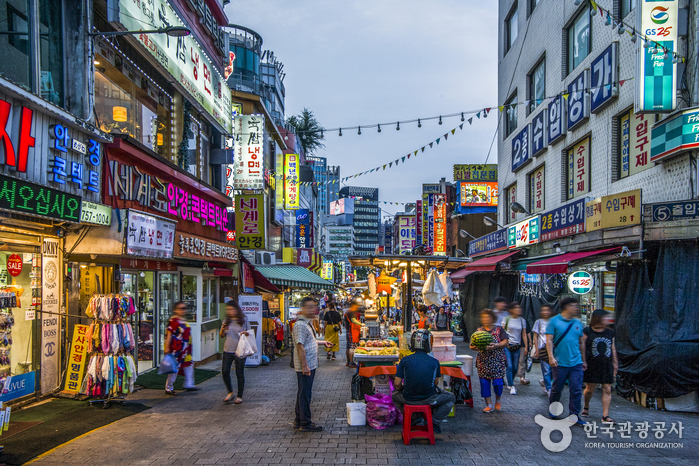
Korean street food ranges from quick snacks to full meals, available everywhere from traditional markets to trendy food stalls. Unlike restaurant dining, street food is casual, affordable, and designed for eating while walking or standing at plastic tables. This guide covers the essential items you'll encounter, where to find the best versions, and how to order like a local.

The Classics Everyone Knows
Tteokbokki (떡볶이) is chewy rice cakes in sweet-spicy gochujang sauce. Every vendor has their own recipe—some sweeter, some spicier, some with fish cakes, cheese, or ramen added. Price is typically 3,000-4,000 won for a portion. Odeng/Eomuk (오뎅/어묵) is fish cake on skewers, simmered in hot broth. The broth is free to drink—ladled into paper cups. It's especially comforting in winter. Point at which skewers you want; vendors count them at the end. Sundae (순대) is Korean blood sausage, nothing like European varieties. It's pig intestine stuffed with glass noodles, vegetables, and pork blood, usually served sliced with salt or tteokbokki sauce. The texture takes getting used to, but it's a beloved snack. Twigim (튀김) covers all fried items—vegetables, sweet potatoes, squid, shrimp, boiled eggs. Often sold alongside tteokbokki from the same vendor, creating a combo meal.

Beyond the Basics

Hotteok (호떡) is a sweet pancake filled with brown sugar, cinnamon, and nuts. Best in winter when vendors press them flat on the griddle. Some variations include green tea, sweet red bean, or even savory fillings with vegetables. Gimbap (김밥) isn't just convenience store food. Market gimbap stalls make fresh rolls—tuna, bulgogi, cheese, nude (inside-out)—for 2,000-3,500 won each. Watching skilled ajummas roll them at speed is entertainment. Dakgangjeong (닭강정) is crispy fried chicken pieces in sweet-spicy sauce. The version at Sokcho's Jungang Market is particularly famous. It's addictive—crunchy exterior, tender interior, sticky-sweet coating. Gyeranppang (계란빵) is egg bread—a small cake with a whole egg baked on top. Soft, slightly sweet bread contrasts with the savory egg. Winter street food at its best. Hotdog (핫도그) in Korea means something different—usually a corndog-style batter-fried sausage, sometimes coated in cubed potatoes or ramen. Myeongdong's cheese-filled versions became internationally famous.

Where to Find the Best

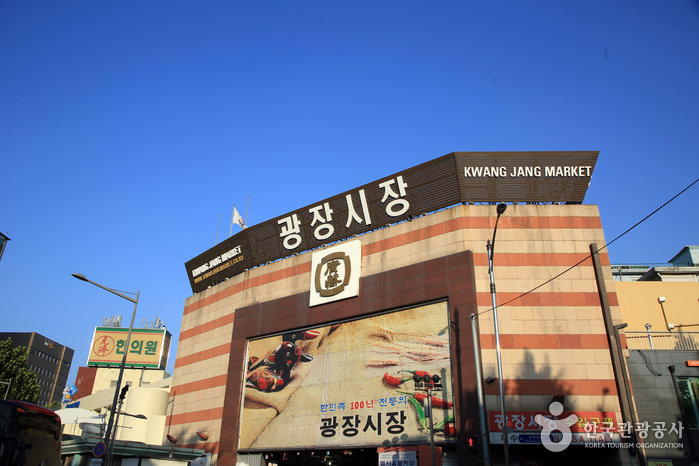
Gwangjang Market in Seoul is street food central. Mayak gimbap (addictive mini-rolls), bindaetteok (mung bean pancakes), and yukhoe (raw beef) are specialties. The atmosphere is crowded and chaotic—exactly as it should be. Mangwon Market is more local and less overwhelming than Gwangjang. The tteokbokki and sundae here are excellent, with less tourist markup. Namdaemun Market has enormous variety. Knife-cut noodles (kalguksu), dumplings (mandu), and jokbal (pig's feet) stalls have operated for decades. Myeongdong street food is touristy but convenient, with many options concentrated in a small area. Prices are higher than markets. Hongdae street food caters to a younger crowd. More creative items, longer hours, and a livelier atmosphere. Late-night options abound. Every neighborhood has its own pojangmacha (포장마차)—covered street stalls, often with plastic tenting. These are less common now but still operate, especially near subway stations late at night.

Ordering and Eating Tips

Pointing works. Most vendors are used to non-Korean speakers. Point at what you want and indicate quantity with fingers. Prices are usually posted but sometimes not. It's acceptable to ask 'eolmayeyo?' (얼마예요?, how much?). Payment is typically cash, though card acceptance is increasing. Don't hog the seats. Plastic chairs at street stalls are for eating, not lingering. Eat and move on so others can sit. Return skewers. Odeng skewers are counted and charged after you finish. Don't walk away with them. Watch what locals order. If everyone's getting the same thing at a particular stall, that's probably their specialty. Markets are cheaper for lunch than dinner. Morning is when vendors set up, afternoon is peak, evening often means sold-out popular items. Carry tissues. Napkins aren't always provided. Wet wipes are even better for sticky or greasy foods.

Final Thoughts

Korean street food isn't just about the food—it's about the experience of standing at a crowded market stall, eating tteokbokki from a paper cup, and watching vendors who've perfected their craft over decades. Prices are low, portions are generous, and the flavors are bold. Whether you're grabbing hotteok on a cold day or working through the offerings at Gwangjang Market, street food offers some of Korea's most authentic and memorable eating experiences.

Ready to explore more of Korea?

View all travel guides