Itinerary
Hiking in Korea: Mountains, Temples, and Weekend Culture
October 8, 202510 min read
Korea is 70% mountains. Hiking isn't just recreation here—it's national culture. On any weekend, trails fill with Koreans of all ages, dressed head-to-toe in technical gear, carrying elaborate picnics. Understanding Korean hiking culture and the best trails transforms a walk in the woods into a genuine cultural experience.
Korean Hiking Culture
Koreans take hiking seriously. The gear alone signals this: full hiking outfits, trekking poles, specialized backpacks. Many hikers wear matching outfits with friends or club members. Don't be surprised if your casual trail clothes draw curious looks.
The social aspect matters as much as the exercise. Group hikes are common, and strangers greet each other with '안녕하세요' on trails. At peaks, everyone takes photos and shares snacks. Many hikers carry elaborate packed lunches or stop at mountain shelters for makgeolli and pajeon.
Early mornings are popular. Some hikers summit before dawn to watch sunrise, then descend for breakfast. Weekends get crowded at famous mountains—go early or pick lesser-known trails.
Korean trails are well-maintained and clearly marked. Most have estimated times posted, shelters along the way, and emergency phones at intervals. It's hard to get seriously lost on major routes.
Seoul Area Trails
Bukhansan National Park is Korea's most visited national park, sitting on Seoul's northern edge. Multiple peaks and routes suit all levels. Baegundae (836m) is the highest, requiring 2-3 hours each way. Easier routes include Bukhansanseong Course through ancient fortress walls.
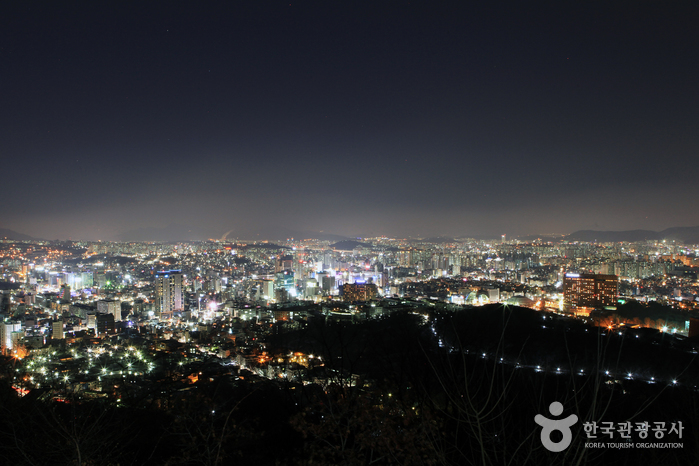
Namsan, in central Seoul, offers gentle walks with city views. The loop around the mountain takes about 2 hours. Combine it with N Seoul Tower at the summit.
Inwangsan is less crowded than Bukhansan with excellent views. The trail passes old fortress walls and shamanic shrines. About 3 hours for the main loop.
Achasan, on Seoul's eastern edge, is beginner-friendly. Multiple accessible peaks connect via ridge trails. Popular for sunrise hikes.
![Changdeokgung Palace Complex [UNESCO World Heritage Site] (창덕궁과 후원 [유네스코 세계유산])](https://tong.visitkorea.or.kr/cms/resource/03/3092503_image2_1.jpg)
Major Mountains Nationwide
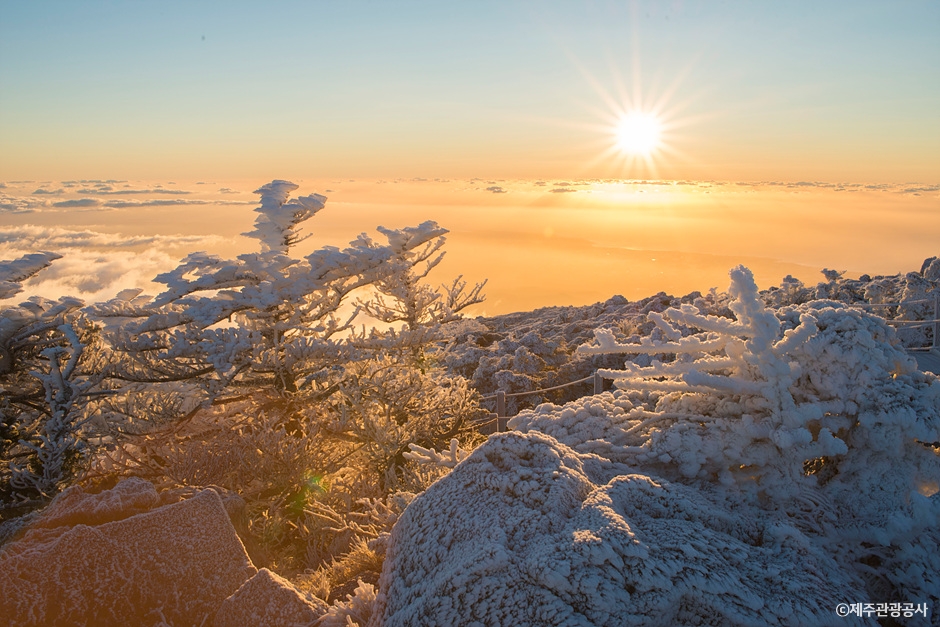
Hallasan (1,947m) on Jeju Island is Korea's highest peak. Several routes reach the summit, ranging from 4-5 hours each way. Winter requires crampons; summer demands early starts to beat heat. Crater lake at the top rewards the effort.
Seoraksan National Park, in Gangwon Province, offers dramatic rocky peaks and fall colors that draw photographers from across Asia. Daecheongbong (1,708m) is a challenging all-day hike. Easier routes include Biseondae and Ulsanbawi Rock.
Jirisan National Park spans three provinces and offers multi-day ridge traverses. Serious hikers do the 3-4 day trek across the range. Day hikes access key peaks like Nogodan.
Gyeryongsan, near Daejeon, combines accessible trails with important temples. Donghaksa and Gapsa temples anchor popular routes.
Practical Information
Trail access: Major mountains have entry points accessible by bus or subway. Departure times from trailheads back to cities end in late afternoon—check schedules to avoid being stranded.
Reservation requirements: Some peaks, including Hallasan's summit and portions of Seoraksan, require advance reservation during peak seasons. Book online through national park websites.
Weather changes quickly in mountains. Pack layers regardless of forecast. Summer monsoons (late June-July) make trails slippery; winter ice requires proper equipment.
Mountain shelters serve simple meals and drinks—instant noodles, snacks, makgeolli. They're not restaurants, but they're reliable. Many hikers treat the shelter stop as part of the experience.
Download offline maps. Naver Map and Kakao Map both have trail information, but signal can drop in valleys. Know your route before you start.
Final Thoughts
Hiking in Korea connects you to landscape and culture simultaneously. The mountains are beautiful, but the real experience is joining Koreans in their weekend ritual—greeting strangers on trails, sharing snacks at peaks, and understanding why a mountainous peninsula developed a hiking culture like nowhere else. Pack proper shoes, start early, and embrace the climb.
Ready to explore more of Korea?
View all travel guides