Food & Drink

Korean Food Guide for Beginners: What to Eat and How

December 4, 202510 min read

Korean cuisine has taken the world by storm, but experiencing it in Korea is something entirely different. The flavors are bolder, the portions more generous, and the dining customs unique. This guide will help you navigate Korean food culture with confidence, from understanding the basics to mastering the unwritten rules of Korean dining.

The Essentials: Dishes Every Visitor Must Try
Korean BBQ (고기구이) is perhaps the most famous Korean dining experience. Meat—typically pork belly (samgyeopsal) or marinated beef (bulgogi)—is grilled at your table. Wrap the meat in lettuce leaves with garlic, ssamjang (spicy paste), and rice. The experience is social, hands-on, and absolutely delicious. Bibimbap (비빔밥) is Korea's iconic rice dish. A bowl of warm rice is topped with seasoned vegetables, meat, a fried egg, and gochujang (red pepper paste). Mix everything together vigorously before eating. The Jeonju-style bibimbap, served in a hot stone bowl, is particularly famous. Kimchi (김치) accompanies every Korean meal. This fermented vegetable dish—most commonly made with napa cabbage—is spicy, tangy, and packed with probiotics. There are hundreds of varieties, and you'll encounter it at breakfast, lunch, and dinner. Korean Fried Chicken (치킨) has become a phenomenon. The double-frying technique creates an incredibly crispy coating. Try it yangnyeom (sweet and spicy) or with a dusting of cheese powder. Best enjoyed with cold beer—Koreans call this combination 'chimaek.'

Street Food You Can't Miss

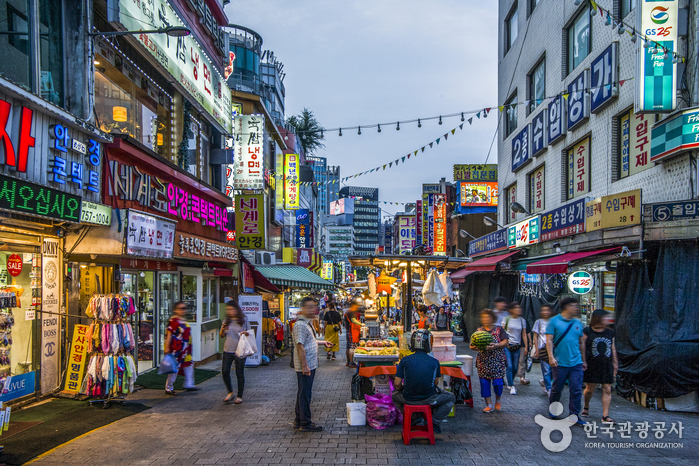
Tteokbokki (떡볶이) is chewy rice cakes in a sweet-spicy red sauce. Found at street stalls throughout Korea, it's the ultimate comfort food. Add fish cakes, boiled eggs, or cheese for extra indulgence. Hotteok (호떡) is a sweet pancake filled with brown sugar, honey, and nuts. In winter, vendors are everywhere, serving these crispy-outside, gooey-inside treats straight from the griddle. Gimbap (김밥) is Korea's version of sushi rolls, but the flavors are distinctly Korean. Rice and various fillings are wrapped in seaweed. Mayak gimbap—tiny, addictive rolls served with mustard sauce—is a must-try at traditional markets. Odeng/Eomuk (어묵) is fish cake served on skewers in hot broth. On cold days, nothing beats standing at a street stall, sipping the warm, savory broth and enjoying the simple pleasure of fish cake.

Dining Etiquette: The Unwritten Rules
Koreans use metal chopsticks and spoons. The spoon is for rice and soup; chopsticks are for side dishes and meat. Never stick chopsticks upright in rice—this resembles funeral rituals. Wait for the eldest person to start eating. In Korea, respecting elders is paramount, and this extends to the dinner table. Once the eldest person picks up their chopsticks, you may begin. Don't pour your own drink. In Korean drinking culture, you pour for others, and they pour for you. When receiving a drink from someone older, hold your glass with both hands as a sign of respect. Banchan (side dishes) are communal and free refills are standard. These small dishes—kimchi, pickled vegetables, seasoned bean sprouts—accompany every meal. If you run out, just ask for more (반찬 더 주세요). Splitting the bill is uncommon. Usually, one person pays for the meal, and someone else might pay for the next round of drinks or the café afterward. Fighting over the bill is common and considered polite!

Final Thoughts

Korean food is meant to be shared, savored, and celebrated. Don't be afraid to try new things, ask questions, and make mistakes—Koreans appreciate visitors who show genuine interest in their cuisine. Whether you're slurping noodles at a midnight pojangmacha (street tent) or enjoying a refined temple food experience, every meal in Korea tells a story. Come hungry, leave happy, and remember: the best Korean food experiences often happen when you least expect them.

Ready to explore more of Korea?

View all travel guides