Culture
Korean Festivals: A Seasonal Calendar
November 26, 20258 min read
Koreans love festivals. Every region has them, every season brings new ones, and they range from ancient traditions to modern spectacles. Timing your visit to coincide with a major festival adds a dimension to your trip that sightseeing alone can't match. Here are the festivals worth planning around.
Spring Festivals (March-May)
Jinhae Cherry Blossom Festival (late March-early April) is Korea's largest cherry blossom celebration. The small town near Busan transforms into a pink-and-white wonderland. The main draw is the 360,000 cherry trees lining streams and the naval base area. Expect massive crowds on weekends.
Yeouido Spring Flower Festival in Seoul offers a more accessible cherry blossom experience along the Han River. The Yunjung-ro behind the National Assembly building is the main route. Late March to mid-April.
Lotus Lantern Festival (Buddha's birthday, usually late April or May) features lantern parades through Seoul, with Jogyesa Temple as the center. The evening parade from Dongdaemun to Jogyesa is spectacular—thousands of lanterns, traditional costumes, and genuine celebration.
Gwangju Biennale (held every two years) is one of Asia's most prestigious contemporary art events. If it aligns with your travel dates, it's worth the trip south.
Summer Festivals (June-August)
Boryeong Mud Festival (mid-July) started as promotion for local cosmetics but became Korea's biggest summer party. Thousands gather on the beach to wrestle in mud, slide through mud pools, and generally act like children. International visitors make up a large portion of attendees. Accommodation books out months ahead.
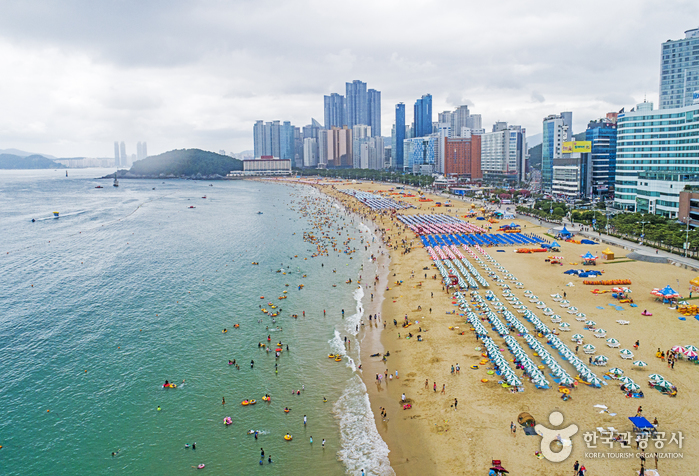
Busan Sea Festival (August) combines beach parties, concerts, and fireworks across the city's beaches. It coincides with peak vacation season, so Busan is packed but festive.
Ceremony at Jongmyo Shrine (first Sunday in May) recreates Joseon royal ancestral rites, unchanged for 500 years. It's UNESCO-recognized and features traditional court music and dance. Very different from summer beach festivals, but equally compelling.
Pentaport Rock Festival (August) near Incheon draws major international acts alongside Korean rock and indie bands. Korea's answer to summer music festivals.
Autumn Festivals (September-November)
Chuseok (Korean Thanksgiving, September/October, based on lunar calendar) is Korea's biggest holiday. It's a family time—don't expect much open in smaller towns. Seoul empties as people return to hometowns. If you're here during Chuseok, experience the palace ceremonies and traditional games at major heritage sites.
Andong Mask Dance Festival (late September-early October) celebrates Korea's traditional mask dance dramas. Andong is the cultural heartland of Korea, and this festival offers performances, workshops, and genuine folk culture.
Busan International Film Festival (October) transforms the city into a cinema capital. Screenings, celebrity appearances, and parties attract film industry and fans alike. Haeundae becomes a red carpet zone.
Jinju Lantern Festival (October) floats thousands of lanterns on the Namgang River, commemorating a famous battle. The scale is impressive, and night views are magical.
Winter Festivals (December-February)
Seoul Lantern Festival (November) lights up Cheonggyecheon Stream with elaborate lantern displays. Free to attend and beautifully photographed. Goes through early January with holiday additions.
Ice Fishing Festivals (January-February) at Hwacheon and other Gangwon Province locations are uniquely Korean winter experiences. Drill holes in frozen rivers, catch mountain trout, and eat them as sashimi on the spot. Cold but memorable.
Pyeongchang Trout Festival and Inje Icefish Festival are similar—ice fishing, snow activities, and winter food. They're mostly domestic tourist events, which makes them fun cultural immersions.
Seollal (Lunar New Year, January/February) is another major holiday when Korea shuts down. Similar to Chuseok: palaces host traditional activities, but most businesses close. Plan accordingly.
Final Thoughts
Festivals transform ordinary trips into immersive experiences. Whether you're covered in mud at Boryeong or watching lanterns float in Jinju, these events connect you to Korean culture in ways that museums and monuments cannot. Check specific dates each year (especially for lunar calendar holidays), book accommodation early for popular festivals, and embrace the crowds—they're part of the experience.
Ready to explore more of Korea?
View all travel guides