Culture

Korean Café Culture: More Than Just Coffee

October 5, 20258 min read

Korea has over 100,000 cafés—more per capita than almost anywhere on earth. But Korean café culture isn't about caffeine addiction. It's about space. In a country where apartments are small and privacy is scarce, cafés function as living rooms, offices, study halls, and date spots. Understanding this culture opens a window into daily Korean life that tourist attractions cannot.

The Café as Third Space
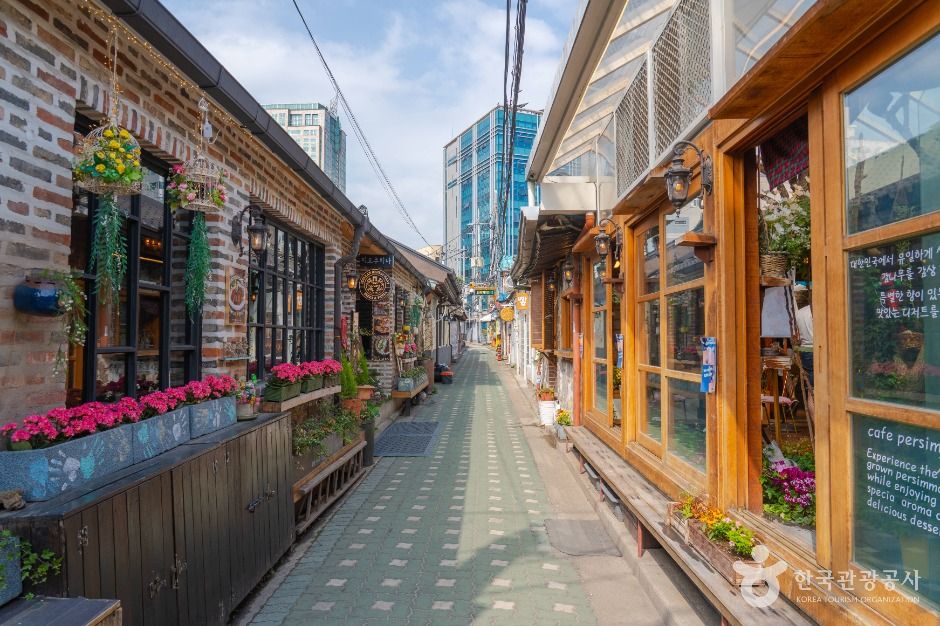
Koreans don't go to cafés primarily for coffee—they go for space. A 5,000-won Americano buys you hours of air-conditioned seating, free WiFi, and a place to exist outside home and work. This explains why Korean cafés are typically large, why seating matters more than speed, and why you'll see people studying for hours. The concept of 'café hopping' is popular among young Koreans. It means visiting multiple cafés in a day, treating each as a destination. Unique interiors, specialty drinks, and photo opportunities drive this trend. Instagram-worthy design is a business requirement, not a luxury. Study cafés (스터디카페) are a related phenomenon—quiet spaces rented by the hour for focused work. But many regular cafés have designated quiet zones or unspoken rules about noise levels. If a café is silent, keep your voice down.

Café Districts Worth Exploring

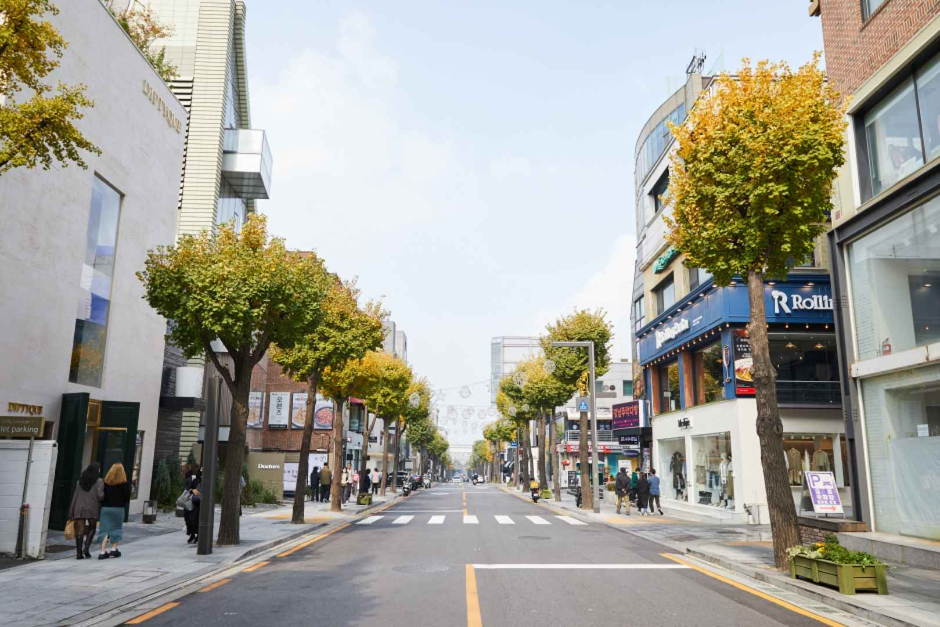
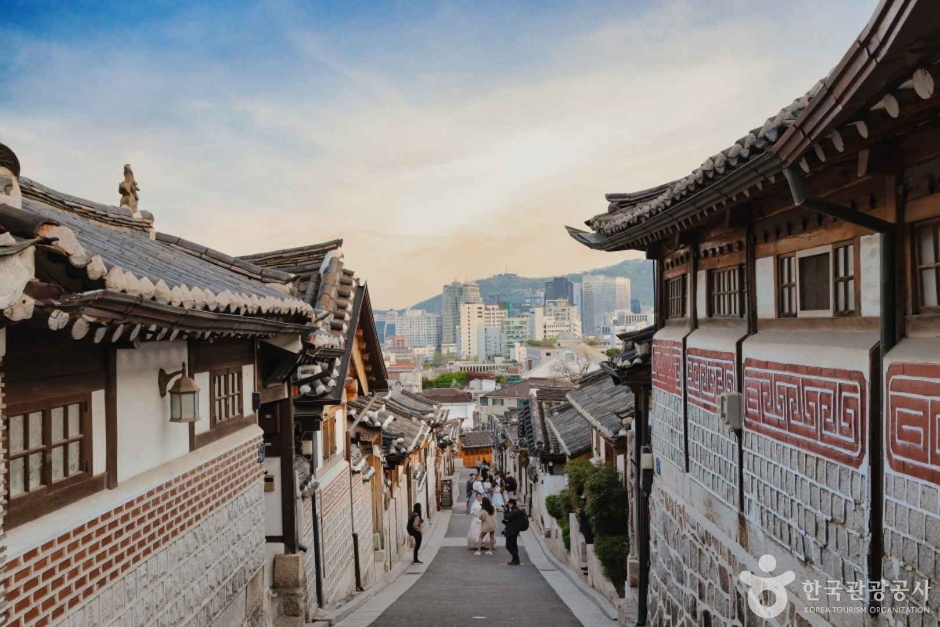
Seongsu-dong, Seoul's 'Brooklyn,' has transformed from industrial factories to café paradise. Converted warehouses house massive cafés with exposed brick, high ceilings, and roasting operations. Onion Seongsu, in a renovated rice processing plant, epitomizes this trend. Ikseon-dong offers traditional hanok buildings converted into cafés. The contrast between centuries-old architecture and modern coffee culture is distinctly Korean. Spaces are intimate and charming rather than industrial. Gangnam's Garosu-gil was the original trendy café street. It's more commercial now, but still delivers high-quality coffee and people-watching. Nearby Serosu-gil has become the hipster alternative. Hongdae caters to students and creatives with lower prices and quirky concepts—board game cafés, cat cafés, raccoon cafés (yes, really). The turnover is high; new concepts constantly replace old ones.

Specialty and Concept Cafés

Theme cafés are a Korean specialty. Animal cafés feature cats, dogs, sheep, raccoons, or hedgehogs. Quality varies dramatically—research before visiting to ensure animal welfare standards. The better ones limit visitor numbers and prioritize animal rest. Dessert cafés compete with elaborate creations. Bingsu (shaved ice desserts) in summer reach sculptural proportions. Soufflé pancakes require 20-minute waits. The presentation is designed for photography first. Book cafés (책방) blend bookstores with coffee shops. You can browse or buy, often in carefully curated spaces that feel like private libraries. Arc.N.Book and Thanks Books are examples worth visiting. Rooftop cafés offer city views as their primary product. Namsan-area cafés overlook the tower; Hannam-dong spots see the river. The coffee is secondary to the scenery.

Practical Café Culture

Ordering has its own rhythm. Many cafés use digital kiosks or tablet ordering—payment happens before you sit. For table service cafés, buzzers will alert you when your order is ready. Counter pickup is standard. Prices reflect the space you're buying. Expect 5,000-8,000 won for basic coffee, more for specialty drinks or prime locations. This is the cost of hours of comfortable seating. During peak hours, time limits may apply. Signs indicating 1-2 hour limits during busy periods are becoming common in popular areas. Respect them. Takeout (테이크아웃) is always an option and sometimes slightly cheaper. But you'd miss the point. The experience is the product. Sit down, connect to WiFi, and watch Korean daily life happen around you.

Final Thoughts

Korean cafés reveal how a society adapts when personal space is limited and public life matters. They're not coffee shops in the Western sense—they're social infrastructure. Spend time in different types across different neighborhoods, and you'll understand Korean urban life in ways that temples and palaces can't teach you. Just order something, sit down, and observe.

Ready to explore more of Korea?

View all travel guides