Culture
Korea's Most Photogenic Spots: Beyond the Obvious
October 20, 20258 min read
Korea photographs beautifully, and Koreans know it. The country has developed 'photo zones' and 'photo spots' as a travel concept, designing attractions with photography in mind. This creates opportunities and problems—some genuinely photogenic places get overwhelmed, while off-the-path spots remain underappreciated. This guide balances the famous with the findable.
Seoul's Classic Shots
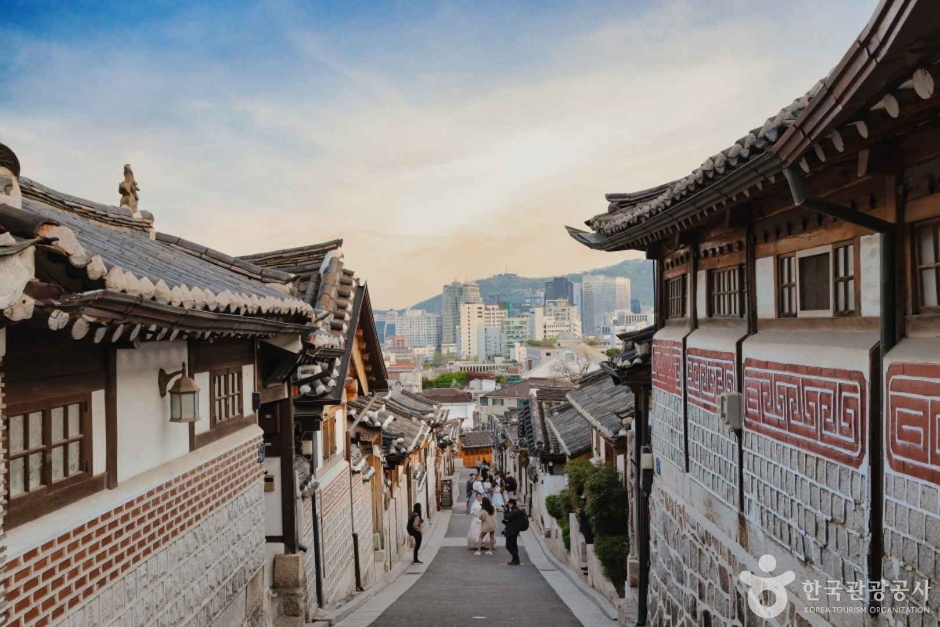
Bukchon Hanok Village offers traditional architecture against city backdrops. The famous '8 views of Bukchon' mark designated photo spots. Go early morning (before 9 AM) to avoid crowds and respect residents—this is a neighborhood, not a set.
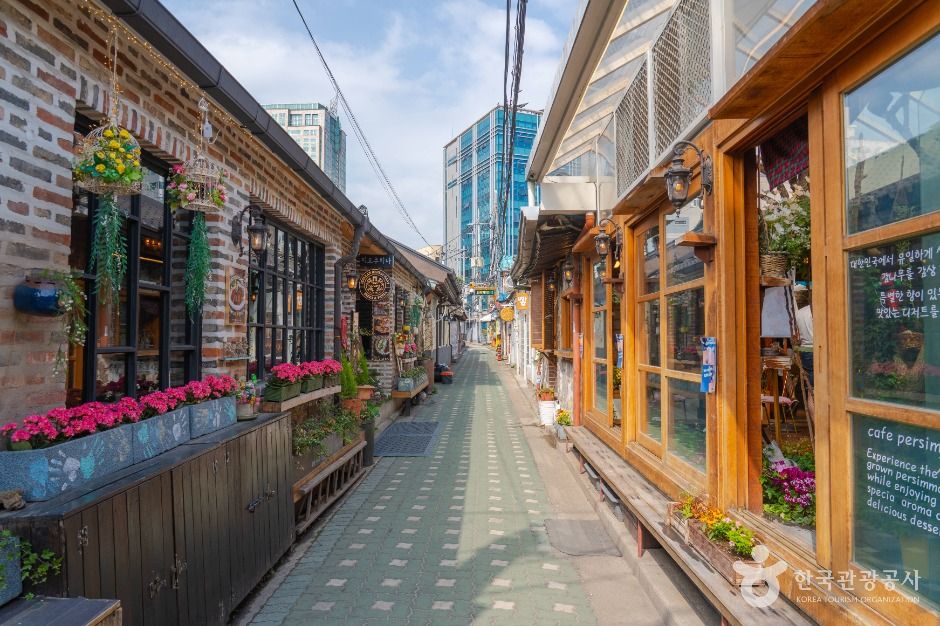
Ikseon-dong provides similar hanok aesthetics with a trendier café vibe. The narrow alleys photograph well; interior café design often prioritizes Instagram potential.
Namsan Tower from below is often more photogenic than from the observation deck. Namsan Park's trails and the cable car area offer layered compositions with the city.
Starfield Library in Coex Mall features massive bookshelves that photograph impressively. It's indoors, climate-controlled, and reliably available—practical advantages for travel photography.
Busan and the Coast
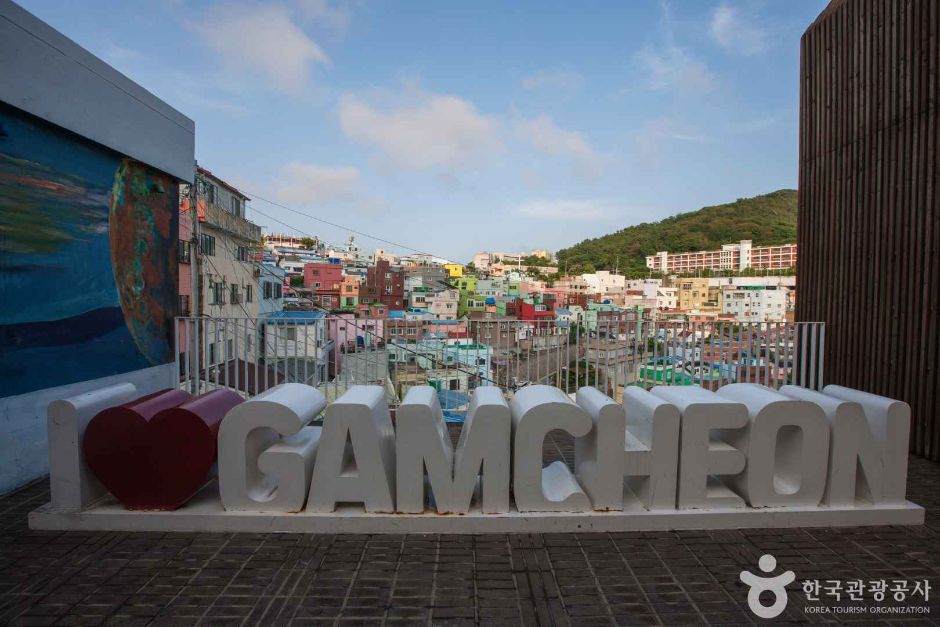
Gamcheon Culture Village in Busan was literally designed for photos. The hillside community painted itself colorful as an art project and tourism strategy. It works—but visit early to avoid crowds and find your own angles.
Haedong Yonggungsa Temple provides something rare: a seaside temple. The approach down the coastal stairs is photographed more than the temple itself. Early morning light is best.
Gwangalli Beach at night gives you the illuminated Gwangan Bridge in the background. The light changes are dramatic; sunset through the bridge lights turning on is the premium window.
Seongsan Ilchulbong on Jeju is named for sunrise and delivers. The crater from above and the coastal cliffs from below offer different compositions.
Nature and Seasonal
Nami Island's metasequoia-lined paths are among Korea's most photographed scenes. The trees form natural cathedral corridors. Off-season visits (not autumn, not 'Winter Sonata' tourism peak) allow unobstructed shots.
Jinhae during cherry blossom season (late March-early April) is photogenic chaos—beautiful trees, massive crowds. The Yeojwacheon Stream with romance bridge is the iconic shot. Go before 7 AM or accept crowds.
Seoraksan National Park in autumn delivers the fall foliage Korea is famous for. Ulsanbawi Rock and Biseondae Valley are the classic shots. The cable car up Gwongeumseong provides sweeping views.
Boseong Green Tea Fields in South Jeolla Province look exactly as photogenic as you'd expect—rolling hills covered in tea plants. The iconic shots work best in misty morning conditions.
Photography Practicalities
Peak hours at famous spots make photography difficult. Sunrise is not just good light—it's often your only uncrowded window. This applies to Gyeongbokgung, Bukchon, and most palace/village shots.
Koreans are generally photography-positive but increasingly conscious of privacy in hanok villages. Pointing cameras at homes and people can cause friction. Landscape and architecture typically cause no problems.
Drones are heavily restricted. Flying near palaces, government buildings, military installations (which are everywhere), or DMZ areas can result in confiscation and legal problems. Check regulations carefully.
Many cafes and attractions now charge photography fees or prohibit tripods. Commercial shoots require permission at most heritage sites. Casual phone photos are universally accepted.
Final Thoughts
Korea rewards photographers who research timing and accept compromises between famous shots and practical access. The most popular locations are popular for reasons, but they're also increasingly crowded. Mix the iconic with the personal—some of your best Korea photos will be street scenes and ordinary moments that no photo guide includes.
Ready to explore more of Korea?
View all travel guides