Travel Tips
Korea on a Budget: Save Money Without Missing Out
December 26, 202510 min read
Korea has a reputation for being expensive, but savvy travelers can explore this amazing country without breaking the bank. From free cultural experiences to delicious cheap eats, Korea rewards budget-conscious visitors who know where to look. Here's how to maximize your Korean adventure while minimizing your spending.
Budget Accommodation Options
Guesthouses and hostels cluster in tourist areas like Hongdae, Myeongdong, and Insadong. Prices range from 15,000-30,000 won per night for dorm beds, 40,000-60,000 won for private rooms. Booking through apps like Booking.com or Hostelworld gets better rates.
Jjimjilbangs (Korean spas) double as ultra-budget accommodation. For 10,000-15,000 won, you get spa access, sleeping areas with heated floors, and often TV rooms and cafeterias. Dragon Hill Spa in Yongsan is foreigner-friendly with English signs.
Airbnb and local booking apps (Yanolja, Yeogi Eottae) often have better deals than international sites. Search for 'mini hotels' or 'one-room' accommodations. In smaller cities, you can find private rooms for 30,000-40,000 won.
For longer stays, consider 'goshiwon'—tiny rooms originally designed for students studying for exams. They're basic but cheap (300,000-400,000 won/month), often including rice and kimchi.
Eating Cheap Like a Local
Convenience stores (GS25, CU, 7-Eleven) are budget traveler's best friends. Triangle kimbap costs 1,000 won, instant ramen stations let you cook 1,500 won ramen with hot water, and 'dosirak' (boxed meals) cost 3,000-4,000 won.
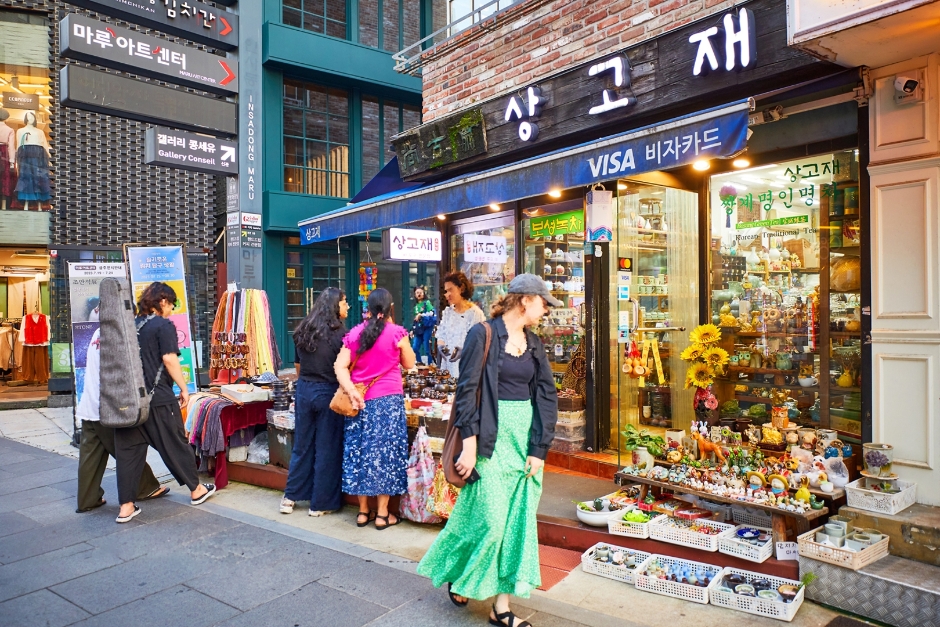
University areas always have the cheapest restaurants. Around Hongdae, Sinchon, and Konkuk University, you'll find filling meals for 5,000-7,000 won. Look for 'baekban' (daily set meals) restaurants serving rice, soup, and side dishes.
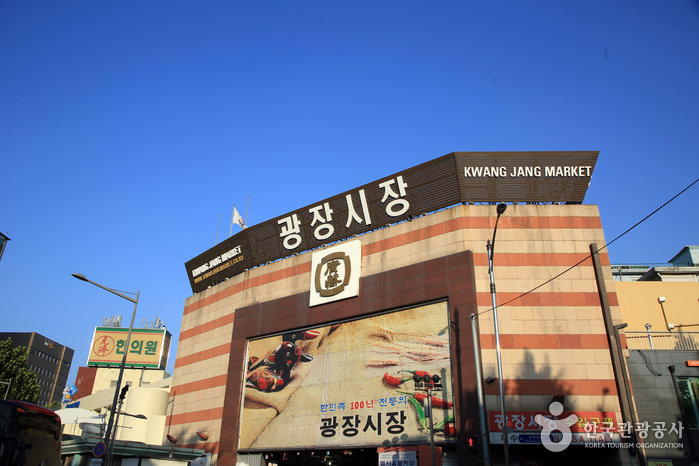
Market food is cheap and delicious. Gwangjang Market in Seoul has famous bindaetteok (mung bean pancakes) for 3,000 won. Night markets offer affordable street food—tteokbokki, odeng, and hotteok rarely exceed 3,000 won.
Don't skip restaurant banchan (side dishes)—they're free and unlimited. Fill up on kimchi, pickled vegetables, and other sides. Water and barley tea are always free at Korean restaurants.
Free and Cheap Attractions
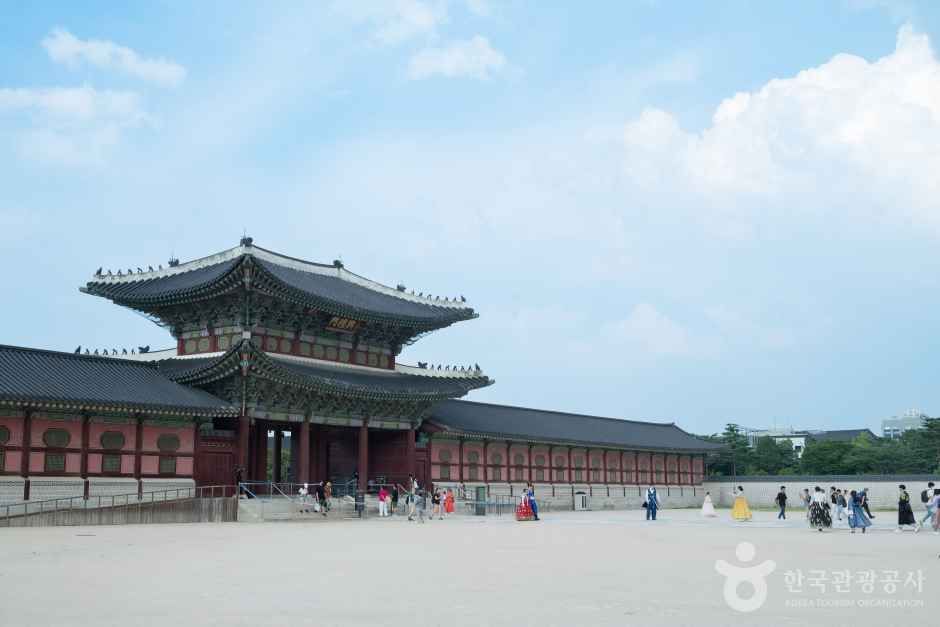
Palaces have free admission on traditional clothing days or with hanbok rental. Gyeongbokgung, Changdeokgung, and other major palaces waive entrance fees if you're wearing hanbok. Rental shops nearby charge 10,000-15,000 won for a few hours.
Many museums are free: National Museum of Korea, National Folk Museum, Seoul Museum of History. The War Memorial of Korea is free and incredibly comprehensive.
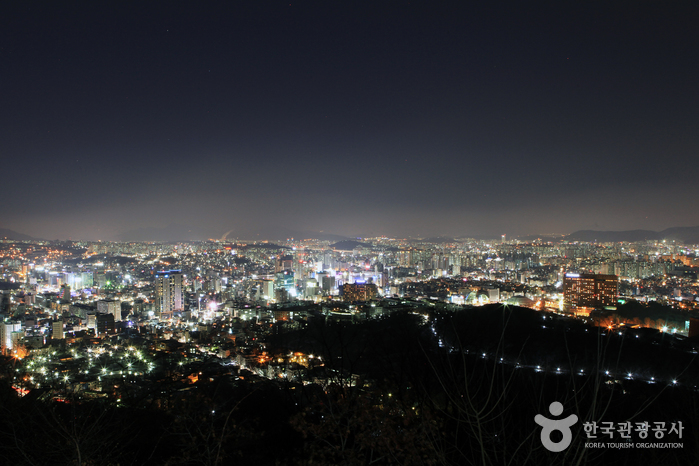
Hiking is Korea's national pastime, and it's free. Bukhansan, Inwangsan, and Namsan Mountain offer stunning views without entrance fees. Trails are well-maintained with clear markers.
Temple stays offer incredible value—usually 50,000-70,000 won for a night including meals, meditation, and cultural activities. It's an unforgettable experience that's cheaper than most hotels.
![Changdeokgung Palace Complex [UNESCO World Heritage Site] (창덕궁과 후원 [유네스코 세계유산])](https://tong.visitkorea.or.kr/cms/resource/03/3092503_image2_1.jpg)
Transportation Savings
The T-money card saves 100 won per ride and allows free transfers within 30 minutes. Load it at convenience stores and use it for all public transit.
Rail passes like the Korail Pass offer unlimited train travel for foreigners. Calculate whether it's worthwhile based on your itinerary. For single routes, Mugunghwa trains are much cheaper than KTX.
Express buses between cities are significantly cheaper than trains. Seoul-Busan buses cost about 25,000 won versus 50,000+ won for KTX. The buses are comfortable and have WiFi.
Avoid taxis when possible—subway and bus combinations reach almost anywhere. If you must taxi, use Kakao T to avoid tourist pricing, and watch the meter carefully.
Money-Saving Tips and Tricks
Get a Wowpass or Namane card at the airport—these tourist cash cards offer better exchange rates than most exchange counters and work everywhere cards are accepted.
Download Coupang and Gmarket apps for deals on everything from snacks to cosmetics. Many convenience stores accept foreign credit cards, but having some cash is always wise.
Free Wi-Fi is everywhere—cafes, public spaces, subway stations. You rarely need to purchase data if you're okay with planning between connections.
Korea's outlet malls (Lotte, Shinsegae) and underground shopping centers offer much better deals than department stores. Dongdaemun has wholesale fashion at rock-bottom prices if you buy multiple items.
Visit tourist information centers for free maps, discounts, and advice. They're located at major attractions and train stations, with English-speaking staff.
Final Thoughts
Budget travel in Korea isn't about sacrificing experiences—it's about traveling smarter. With free attractions, affordable public transit, and delicious cheap eats, you can explore Korea thoroughly on 50,000-80,000 won per day. The key is embracing local habits: eat where Koreans eat, take public transport, and don't be afraid to venture off the tourist trail.
Ready to explore more of Korea?
View all travel guides