Culture

K-Drama Filming Locations: Where Your Favorite Scenes Happened

November 29, 20259 min read

Korean dramas have turned countless viewers into tourists. That café where the leads had their first date? It's real and probably serves good coffee. The palace where historical intrigue unfolded? You can walk its grounds. This guide focuses on accessible, worthwhile locations rather than exhaustive lists—places where the filming history enhances rather than is the entire point of the visit.

Seoul: Palaces and Historic Districts
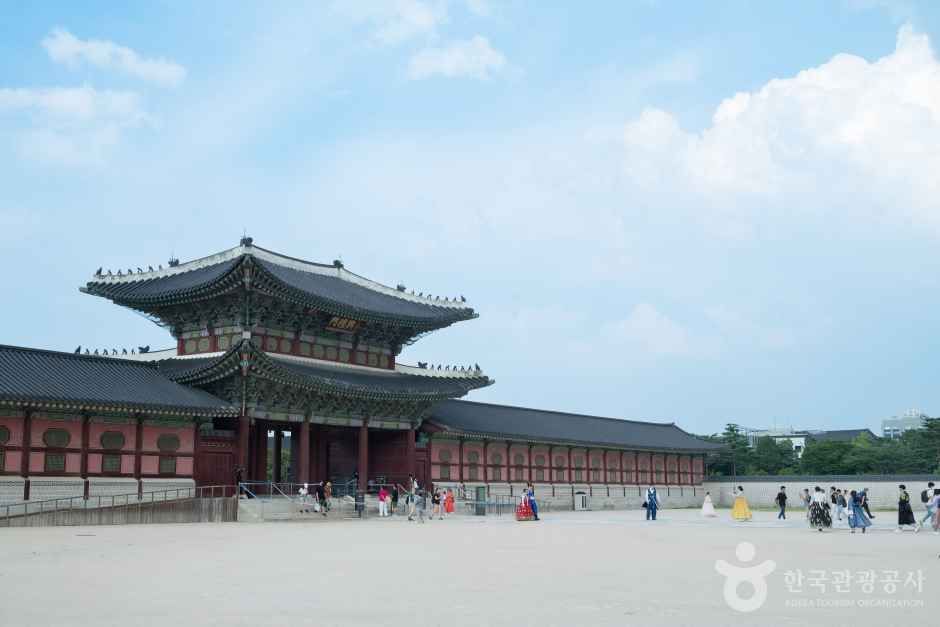
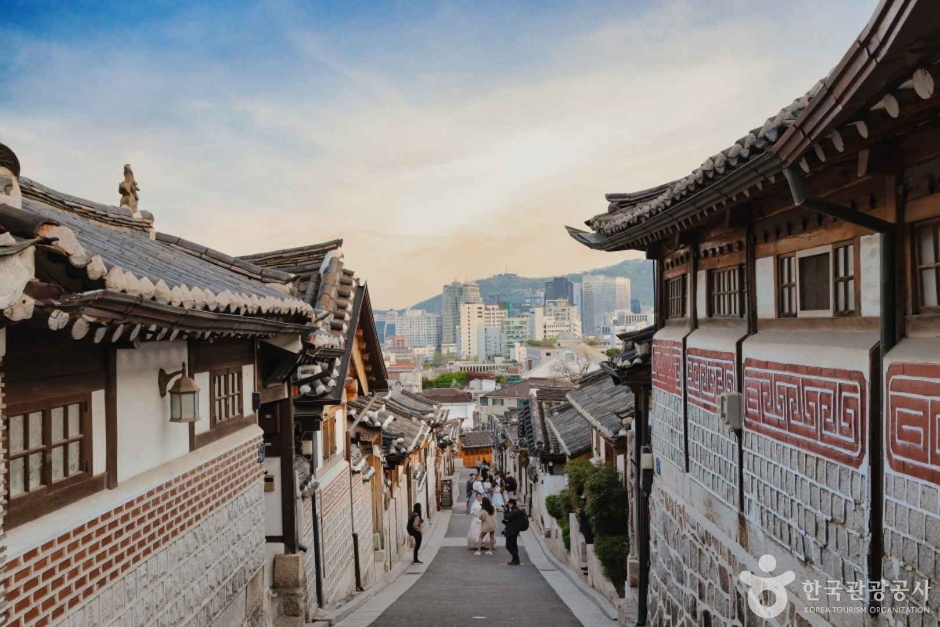
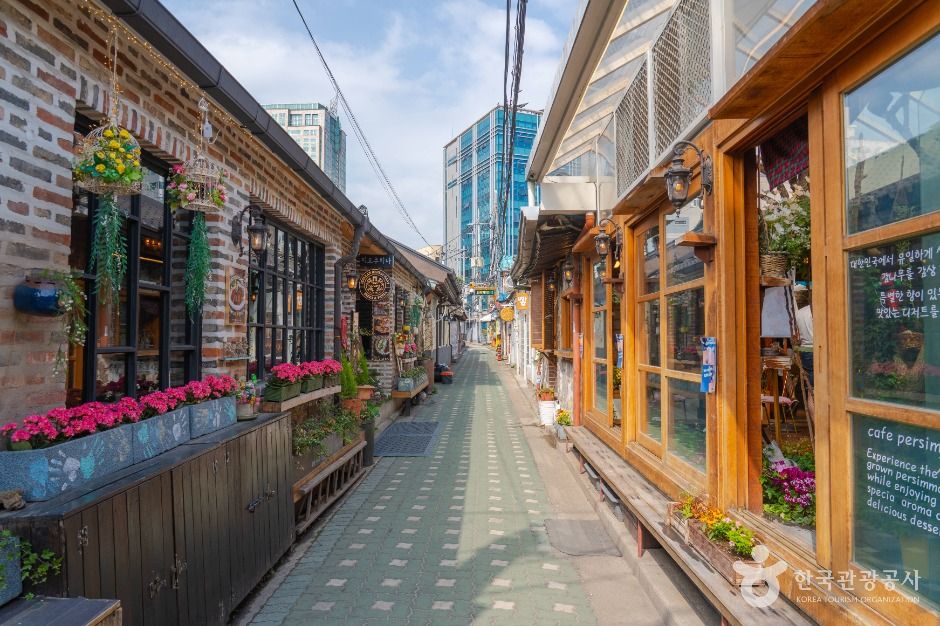
Gyeongbokgung and Changdeokgung appear in virtually every historical drama. These palaces are worth visiting regardless of K-drama interest, but fans can spot specific courtyards and pavilions from countless sageuk (historical dramas). Changdeokgung's Secret Garden is particularly photogenic. Bukchon Hanok Village has appeared in both historical and modern dramas. The narrow alleys and traditional houses photograph beautifully, though residents tire of tourists—be respectful about where and how you take photos. Ikseon-dong, the renovated hanok district, has become a favorite for modern drama filming. Cafes and boutiques here often display drama posters when their locations were featured. The vibe is trendy-traditional. Namsan Tower (N Seoul Tower) is a classic drama location—love locks, city views, and romantic connotations in Korean culture. The cable car up and observation deck provide the scenes you've likely seen on screen.

Neighborhoods and Streets

Gangnam and Cheongdam-dong feature in dramas about wealth and corporate life. The upscale cafes and restaurants you see on screen are scattered throughout these areas. Dress well if you want to blend in. Hongdae's youthful energy appears in coming-of-age dramas constantly. Specific cafes rotate in popularity, but the general atmosphere—buskers, students, nightlife—is the real draw. Itaewon became even more famous after 'Itaewon Class.' The actual bar from the show is marked, and the neighborhood's international diversity is genuine. The area around Gyeongnidan-gil has trendy restaurants that frequently appear on screen. Yeonnam-dong and its 'Gyeongui Line Forest Park' (converted railway) offer relaxed, park-side cafe settings that feature in many romance dramas. The neighborhood has a specific lifestyle image that dramas love.

Beyond Seoul

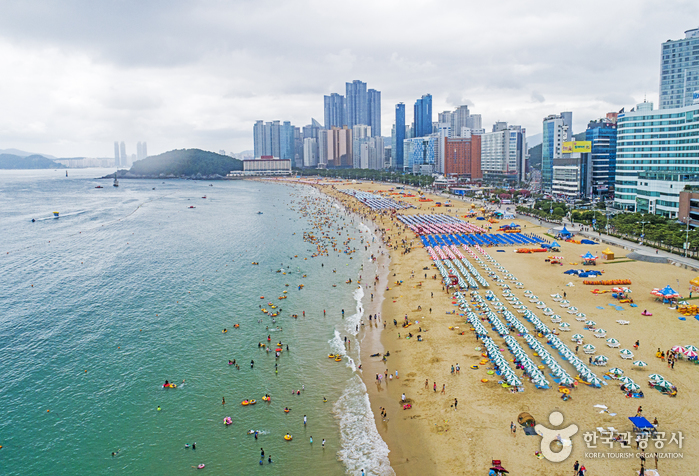
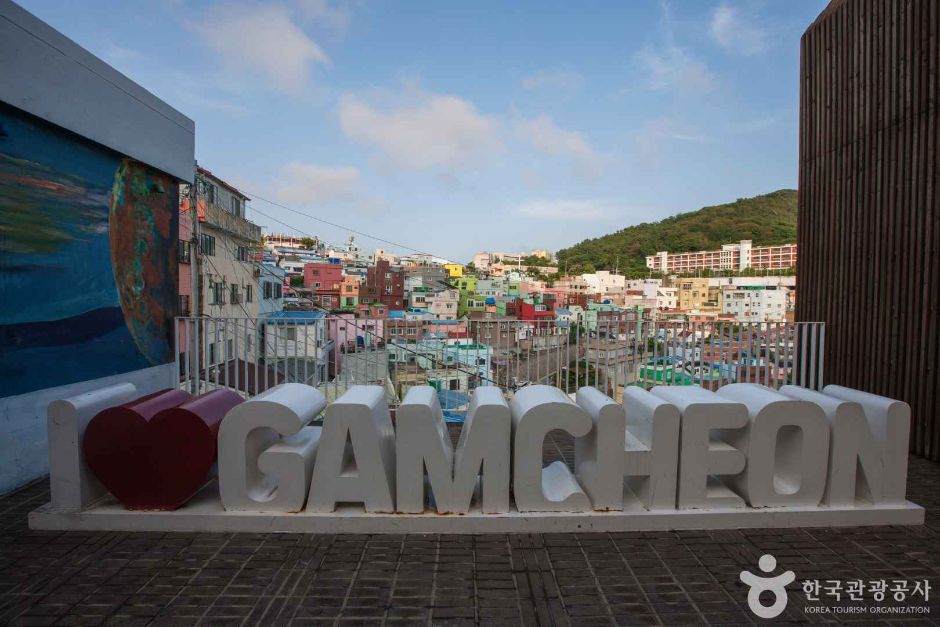
Busan's Haeundae Beach and Gamcheon Culture Village appear in numerous dramas and films. The colorful hillside village is photogenic from every angle, and its use in Korean media has only increased its popularity. Jeju Island's natural landscapes feature heavily in dramas requiring picturesque backdrops. Specific filming locations shift constantly, but the general attractions—Seongsan Ilchulbong, Hallasan, coastal drives—are frequently used. Gyeongju's temples and royal tombs appear in historical dramas set in the Silla period. Bulguksa and Anapji Pond are particularly common settings. Jeonju Hanok Village provides traditional atmosphere for both historical and modern dramas. The massive hanok neighborhood is one of Korea's best-preserved.

Making the Most of Drama Locations

Apps like 'Visit Korea' and drama fan communities track current and classic filming locations. Specific drama location guides are published for popular series. Many cafes and restaurants now highlight their drama appearances with posters and photo zones. Some maintain the interior exactly as it appeared on screen. Organized K-drama tours exist for major series, handling transportation and access to multiple locations in a day. These make sense for visitors with limited time or language skills. Be realistic: some locations are private property, some have changed since filming, and some were sets built elsewhere. The experience is best when the location is genuinely worth visiting anyway. Filming schedules sometimes overlap with popular tourist areas. If you see a crew setting up, maintain distance—security will enforce boundaries. Occasionally you might spot recognizable actors, but don't expect it.

Final Thoughts

K-drama locations offer a unique travel motivation—visiting places because stories you loved happened there. The best approach treats these visits as enhancements to otherwise worthwhile destinations. A café is nice; a café where your favorite characters had a significant moment is memorable. Just don't let the screen determine your entire itinerary. Korea has more to offer than any drama can show.

Ready to explore more of Korea?

View all travel guides