Itinerary
Gyeongju: Exploring Korea's Ancient Capital
November 5, 202510 min read
For nearly a thousand years, Gyeongju was the capital of the Silla Kingdom, one of Korea's most powerful ancient dynasties. Today, the entire city feels like an open-air museum. Burial mounds dot the downtown landscape, ancient temples hide in nearby mountains, and UNESCO World Heritage sites are seemingly around every corner. This is where Korean history comes alive.
Bulguksa Temple and Seokguram Grotto
Start with Korea's most celebrated Buddhist temple. Bulguksa, begun in 751 CE and completed in 774 CE, represents the pinnacle of Silla architecture. The stone bridges, pagodas, and main halls have been rebuilt over centuries, but the overall layout remains faithful to the original design.
Don't rush through Bulguksa—the details matter. The Dabotap and Seokgatap pagodas in the main courtyard are considered masterpieces of stone craftsmanship. The Dabotap's intricate design appears on the 10-won coin.
From Bulguksa, take a bus or taxi up the mountain to Seokguram Grotto. This artificial cave houses a stunning Buddha statue carved from white granite, surrounded by bodhisattvas and guardians. The engineering required to create this space in the 8th century was remarkable—the dome was designed to control humidity and temperature.
Get to Seokguram early. The main chamber is small, and you'll view the Buddha through glass. Morning light through the entrance creates the best atmosphere.
Downtown Gyeongju: Royal Tombs and Night Views
Daereungwon (Tumuli Park) contains 23 enormous burial mounds of Silla kings and nobles. The grass-covered hills are hauntingly beautiful, especially at dusk. One tomb, Cheonmachong (Heavenly Horse Tomb), is open to visitors—you can walk inside and see a replica of the excavated treasures.
Cheomseongdae, the oldest astronomical observatory in East Asia (built around 647 CE), stands in a park nearby. It's smaller than you'd expect, but its historical significance is immense. The 362 stones represent days of the lunar year.
For the best experience, rent a bike and cycle between sites. The city is flat, distances are manageable, and you'll cover more ground. Bike rentals are available near Gyeongju Station and throughout the historic district.
At night, visit Donggung Palace and Wolji Pond. The reconstructed palace buildings reflecting in the water under night lighting is Gyeongju's most photographed scene. Go after dark—the atmosphere completely transforms.
Beyond the City Center
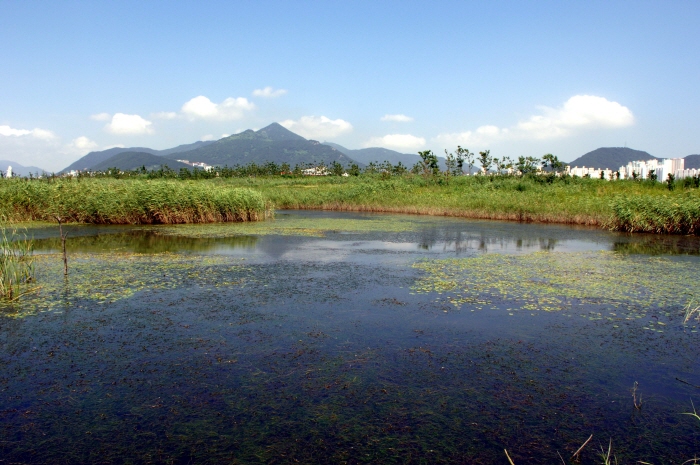
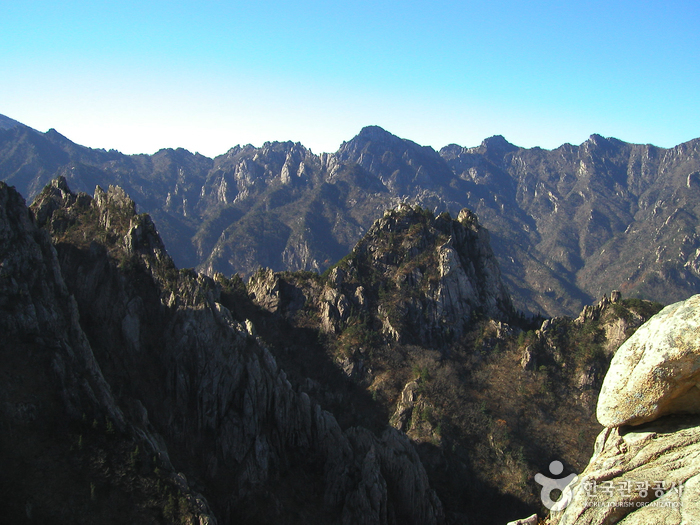
Namsan Mountain is dotted with Buddhist carvings, temple ruins, and rock-carved Buddhas. Multiple hiking trails range from easy walks to challenging climbs. The Chilbulam Buddha images and various stone pagodas scattered throughout the mountain make this an outdoor treasure hunt.
Gyeongju National Museum houses treasures excavated from the tombs, including the famous gold crown of Silla. The museum is well-organized and provides crucial context for everything you'll see around the city. Budget at least 2 hours, and visit early to avoid school groups.
Bomunho Lake area, east of downtown, is a tourist zone with resorts and a large lake. It's pleasant for cycling and has seasonal cherry blossoms, but most visitors find the historic center more compelling.
Hwangnidan-gil is Gyeongju's trendy street, lined with hanok cafes and restaurants. It's a good break from temple-hopping—grab coffee in a renovated traditional house.
Planning Your Visit
One full day covers the highlights, but two days allows for a relaxed pace. The KTX from Seoul takes about 2 hours to Singyeongju Station; from there, buses reach downtown in 20 minutes.
Accommodation clusters around the express bus terminal and the Hwangnidan-gil area. Traditional hanok stays are available but book quickly during peak seasons.
Spring (cherry blossoms around the tombs) and autumn (foliage at the temples) are most popular. Summer is hot and humid; winter is cold but peaceful with fewer tourists.
Gyeongju is walkable, but sites are spread out. Taxis are cheap and abundant. Many visitors combine Gyeongju with Busan—they're only an hour apart by train.
The 'Gyeongju World Heritage' pass covers major sites at a discount if you're visiting multiple attractions.
Final Thoughts
Gyeongju offers something Seoul cannot: the chance to walk through history at a slower pace. Here, ancient tombs share space with convenience stores, and temple bells echo across a modern city. It's not frozen in time—it's history woven into everyday life. Come with comfortable shoes and an open schedule. You'll want more time than you planned.
Ready to explore more of Korea?
View all travel guides