Itinerary

Gangnam District: Beyond the Song

October 2, 20258 min read

Gangnam literally means 'south of the river,' referring to the Han River that divides Seoul. The district became synonymous with wealth and status, especially after Psy's 2012 viral hit. But Gangnam is more than a meme—it's where modern Korean prosperity concentrates, from cutting-edge medicine to luxury fashion to corporate headquarters. It's also home to traditional temples, excellent restaurants, and some of Seoul's best people-watching.

Garosu-gil and Sinsa-dong
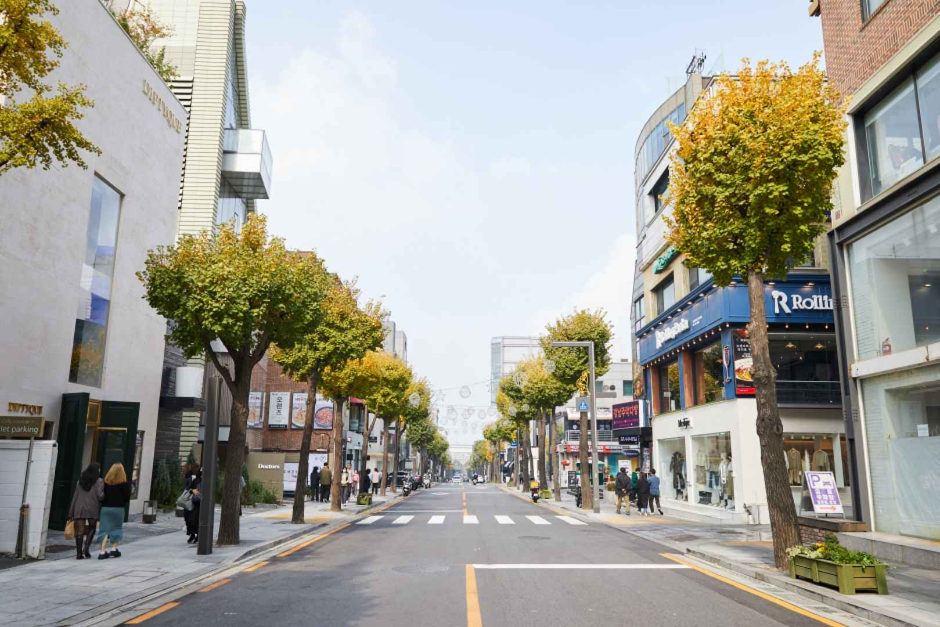
Garosu-gil (가로수길, 'tree-lined street') is Gangnam's trendy heart. The main street and branching alleys contain boutiques, cafes, and restaurants catering to fashion-conscious Seoulites. The street earned its name from ginkgo trees lining both sides, spectacular in autumn when leaves turn golden. The original bohemian character has shifted upscale, but interesting independent shops survive alongside chains. K-beauty concentrates here. Flagship stores for Korean cosmetic brands, dermatologist-founded skincare lines, and beauty clinics cluster in the neighborhood. If you're interested in Korean skincare, this is where to explore. Cafes on Garosu-gil pioneered Seoul's competitive coffee scene. Some focus on design, others on specialty roasts. The side streets (called serosu-gil) often have more interesting options than the main strip. Weekend afternoons bring crowds. For a more relaxed experience, visit on weekday mornings when shops are open but foot traffic is lighter.

COEX and Samseong

COEX Mall is one of Asia's largest underground shopping centers, connected to the Samseong subway station. It's easy to get lost—and easy to spend hours browsing. The Starfield Library inside COEX is a dramatic public space with floor-to-ceiling bookshelves. It's become an Instagram landmark but functions as a real library where people sit and read. The scale impresses. Bongeunsa Temple sits directly opposite COEX, an unexpected contrast. This 1,200-year-old Buddhist temple includes a 23-meter Maitreya Buddha statue, active temple life, and meditation programs. Thursday evening temple stays include city-view sunset meditation—genuinely surreal against the skyscraper backdrop. The SM Entertainment building and HYBE headquarters (home of BTS) are in this area. Fans gather outside these buildings regularly. The stores sell official merchandise. K-pop themed cafes and exhibition spaces cater to the fan economy. Some require reservations or have entry fees during special exhibition periods.

Apgujeong and Cheongdam

Apgujeong-dong is Korea's most expensive neighborhood, where luxury brands, celebrity spotting, and plastic surgery clinics converge. Rodeo Street (apgujeong rodeo) has high-end boutiques and restaurants. Cheongdam-dong takes luxury further. Flagship stores for Chanel, Dior, Louis Vuitton, and Korean luxury brands like Gentle Monster create an open-air luxury mall along Cheongdam Fashion Street. The plastic surgery concentration is real. Gangnam has the world's highest density of cosmetic surgery clinics, particularly along 'Plastic Surgery Street' near Apgujeong Station. Medical tourism is big business. Dosan Park provides green space amid the luxury. The park memorializes independence activist Ahn Chang-ho. Walking paths and a small museum offer respite from commercial intensity. For food, the area has excellent options across all price ranges. Department store basement food halls offer accessible quality. High-end restaurants require reservations weeks ahead.

Getting Around and Local Tips

The green Line 2 runs through Gangnam with stops at Sinsa (for Garosu-gil), Gangnam (central business district), and Samseong (for COEX). Line 7 serves Apgujeong, Line 9 reaches Sinsa from the airport. Bundang Line connects Apgujeong and provides useful cross-Gangnam transit. Subway is almost always faster than taxis in this traffic-heavy area. Lunch specials offer access to otherwise expensive restaurants. Many upscale places serve quality lunch sets at 15,000-30,000 won that would cost triple at dinner. Department store food halls (Hyundai, Shinsegae, Galleria) are excellent for food exploration without restaurant formality. Bakeries, prepared foods, and food courts offer variety. For nightlife, Gangnam Station area has clubs and bars catering to young professionals. Dress codes apply at upscale venues. The energy differs from Hongdae—older, wealthier, more selective.

Final Thoughts

Gangnam represents a particular vision of Korean success—sleek, wealthy, fashion-forward. It's not the Korea of temple stays and traditional markets, but it's equally Korean. The juxtaposition of ancient Bongeunsa Temple against COEX skyscrapers captures something essential about modern Korea: rapid development that doesn't entirely erase the past. Come for the shopping, stay for the people-watching, and appreciate the ambition that built this district from empty rice paddies within a single generation.

Ready to explore more of Korea?

View all travel guides